
Lucy Lambe examines artistic disobedience as a sustained method of resistance within conditions of permanent political and social crisis.
By Lucy Lambe | Anecdotes Issue 02
Disobedience has become an increasingly visible strategy in contemporary art, not as a theatrical gesture of refusal but as a sustained response to the political conditions of the present. In a period defined by intensifying authoritarianism, racialised violence, ecological collapse and the normalisation of war through media saturation, the demand to remain coherent, productive and compliant has acquired a distinctly ideological function. Within this context, disobedient artistic practices operate as forms of resistance that interrupt the smooth circulation of dominant narratives and expose the structures that support them.
To speak of disobedience now is to speak of method rather than mood. It is a way of working that rejects the pressure to produce resolved, easily consumable objects and instead foregrounds processes of disruption, misalignment and refusal. These practices often take place through performance, intervention and materially unstable installation, where the work appears off-centre, excessive or unresolved. Such strategies are not simply aesthetic decisions; they are political positions. They resist the demand that art remain legible within institutional and market frameworks that mirror the wider logics of control.
This turn toward disobedience reflects a broader geopolitical atmosphere in which power increasingly operates through normalisation. The contemporary subject is governed less by overt prohibition than by the internalisation of behavioural scripts: be reasonable, be grateful, be productive, remain within the limits of what is sayable. In this environment, small acts of non-compliance — the refusal to clarify, the interruption of expected narratives, the occupation of space without permission — acquire critical force. They make visible the mechanisms that organise public life and reveal how deeply they are embedded in everyday conduct.
Importantly, this form of resistance does not position itself outside the systems it critiques. Instead, it works from within them, contaminating their procedures and redirecting their languages. Disobedience becomes procedural: a way of repeating familiar forms incorrectly, of over-identifying with institutional structures until their contradictions become apparent, or of inserting friction into spaces designed for seamless consumption. In this sense, the work does not illustrate political crisis; it performs it, allowing the viewer to encounter the instability that underlies apparently stable social orders.
Within Ireland, these strategies resonate with a specific historical trajectory in which social cohesion was maintained through the regulation of gender, sexuality and respectability. The cultural memory of institutions that disciplined those who failed to conform continues to shape contemporary understandings of obedience and deviance. When artists draw on archival material, cartographic research, collaborative mapping or site-responsive installation, they are not only revisiting these histories but reactivating them in the present. Disobedience becomes a way of refusing the amnesia that often accompanies narratives of national progress.
What distinguishes current practices is their insistence on disobedience as a form of knowledge production. Rather than presenting political content in a didactic manner, they generate situations in which viewers must negotiate uncertainty, hesitation or discomfort. Breaches of social expectation — subtle disruptions of how one moves through a space, how one reads an image, how one understands a material — render the invisible codes of behaviour perceptible. The reactions they produce, whether participation, resistance or indifference, form part of the work’s meaning.
This approach also signals a shift away from the idea of resistance as spectacle. Disobedience here is not primarily a matter of dramatic confrontation but of sustained, often quiet, non-compliance. It is located in processes that refuse efficiency, in forms that resist closure, and in collaborative structures that challenge the individualism of both authorship and political agency. Care and accountability become integral to these practices, ensuring that disruption does not reproduce the extractive logics it seeks to critique.
In the current geopolitical landscape — where crisis is continuous and attention is relentlessly managed — such strategies are significant precisely because they slow things down. They interrupt the demand for immediate legibility and create spaces in which other forms of understanding can emerge: embodied, situated and resistant to assimilation. Disobedience, in this expanded sense, is not a negation but a productive condition. It allows art to function as a site in which the pressures of the present are not only represented but actively contested.
To frame disobedience as an artistic methodology is therefore to recognise it as a political necessity. It offers a means of working within systems while refusing their terms, of making visible the structures that shape collective life, and of holding open the possibility that these structures might be otherwise.
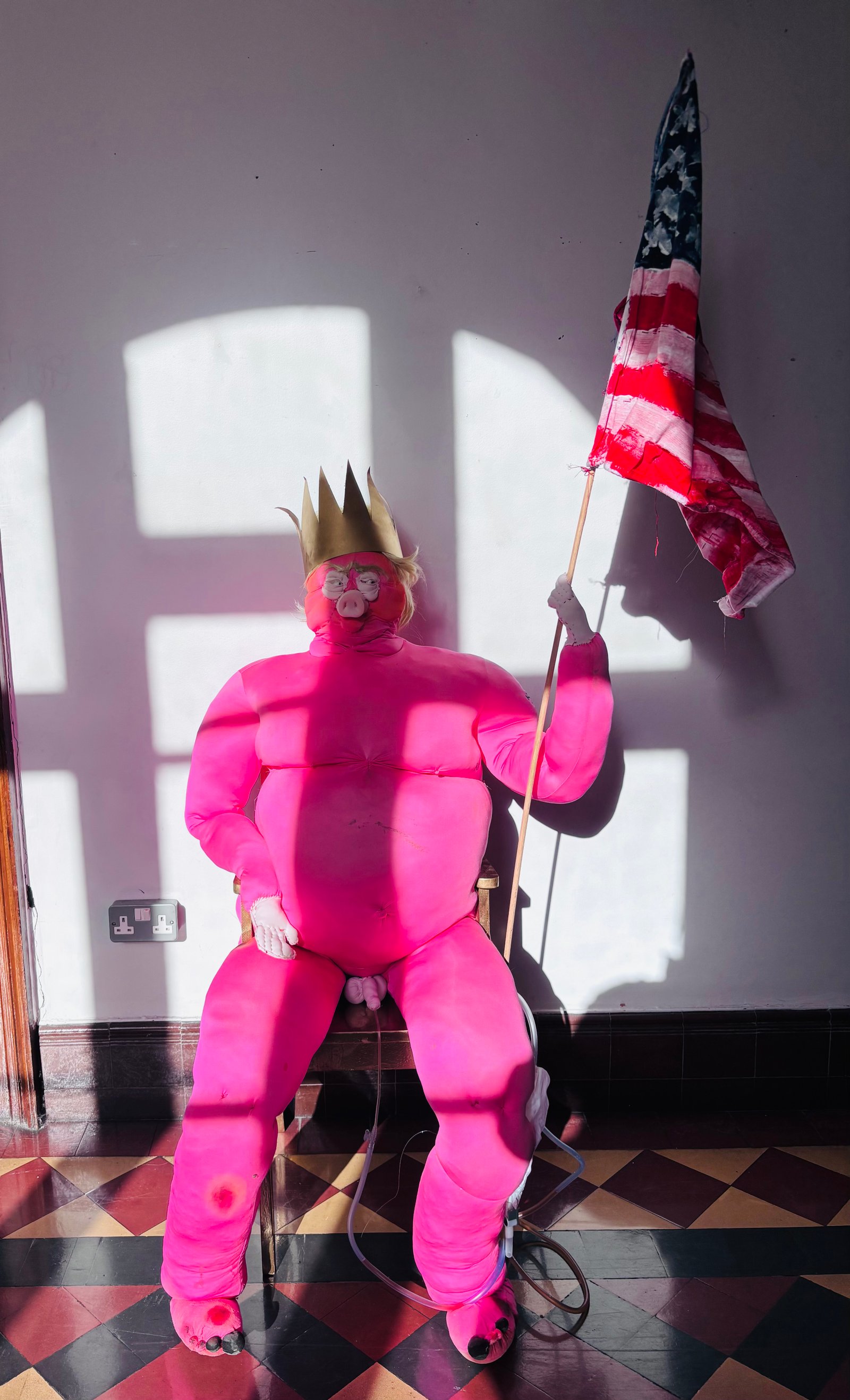
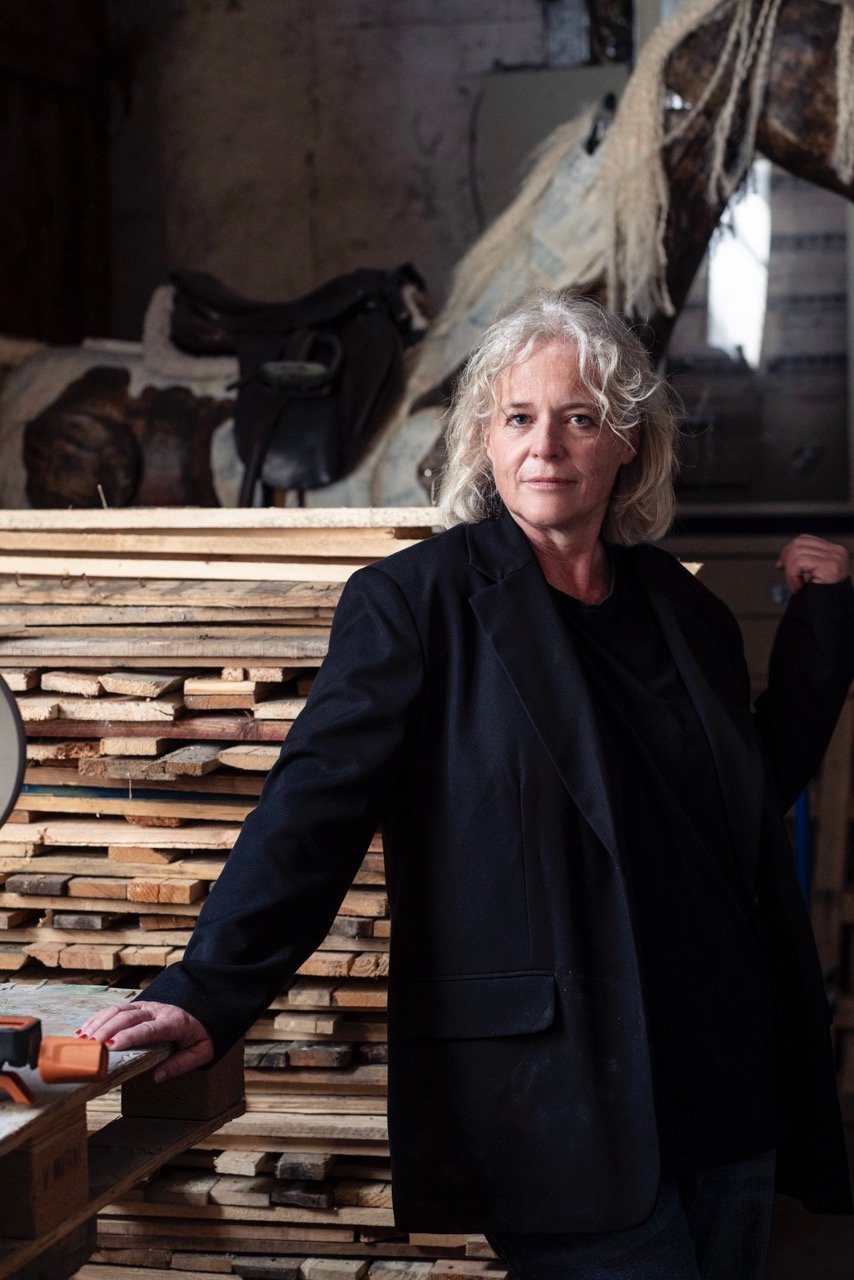
Lucy Lambe
Lucy is a sculpture and combined media artist who’s practice encompasses live art performance, painting, illustration, social practice and installation.
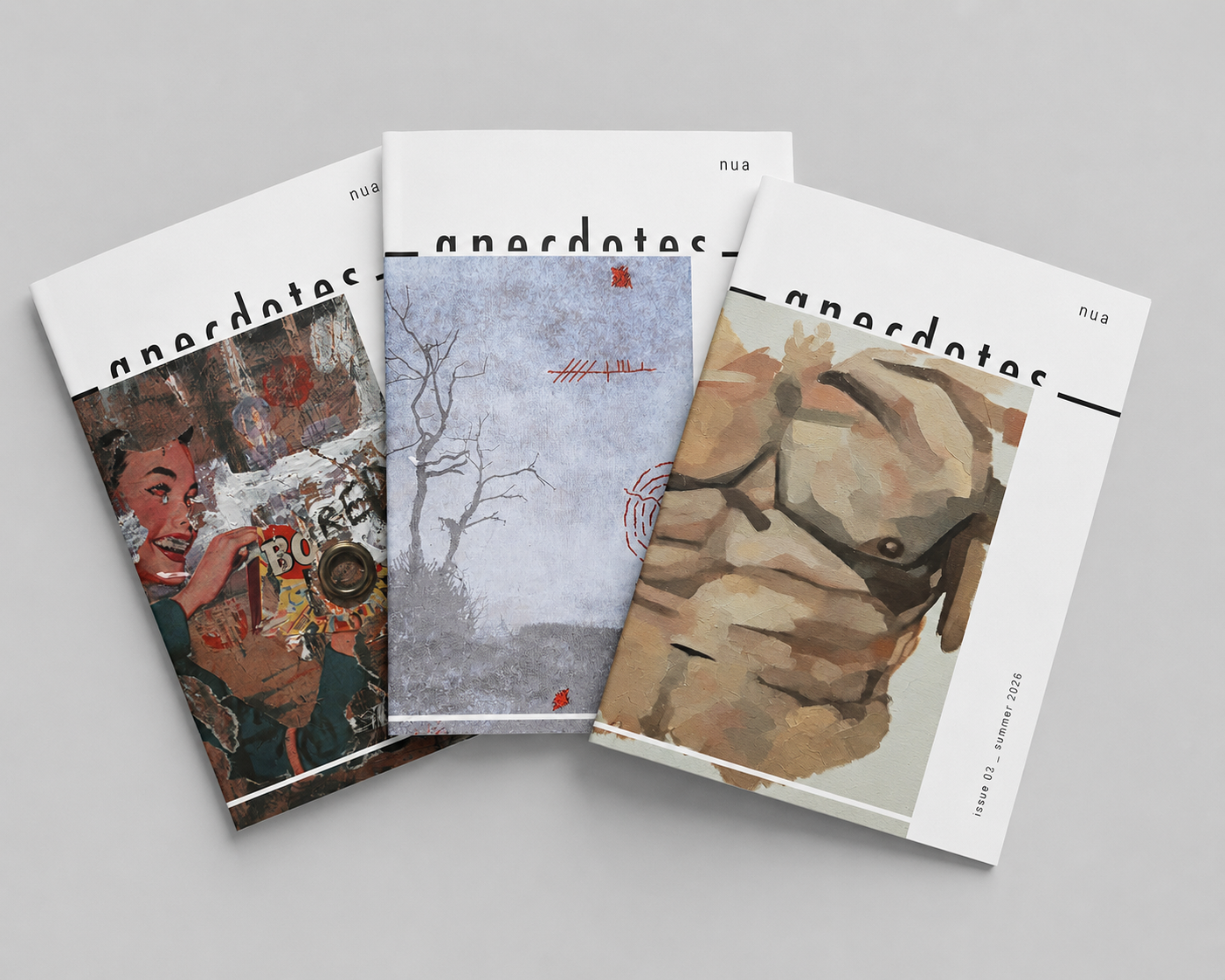
Anecdotes Print Magazine Bundle
€16.99*
All three issues of Anecdotes in a beautiful print.
*Excluding postage

 No products in the cart.