
Jonathan Schüßler explores how empathy, trust and practical constraints help camera-shy people feel safe enough for authentic photographs and films.
By Jonathan Schüßler | Anecdotes Issue 03
To truly understand the fear of the lens, you have to have been traumatized by a red recording light yourself.
Just over 6 years ago, I went out to film my very first YouTube video. It took me three agonizing hours to shoot. By the time I reached the thirteenth take of a single sentence, I was sweating, frustrated, and completely disconnected from my own voice. The final result was a ninety-second disaster. I felt exposed, stiff, and very unnatural.
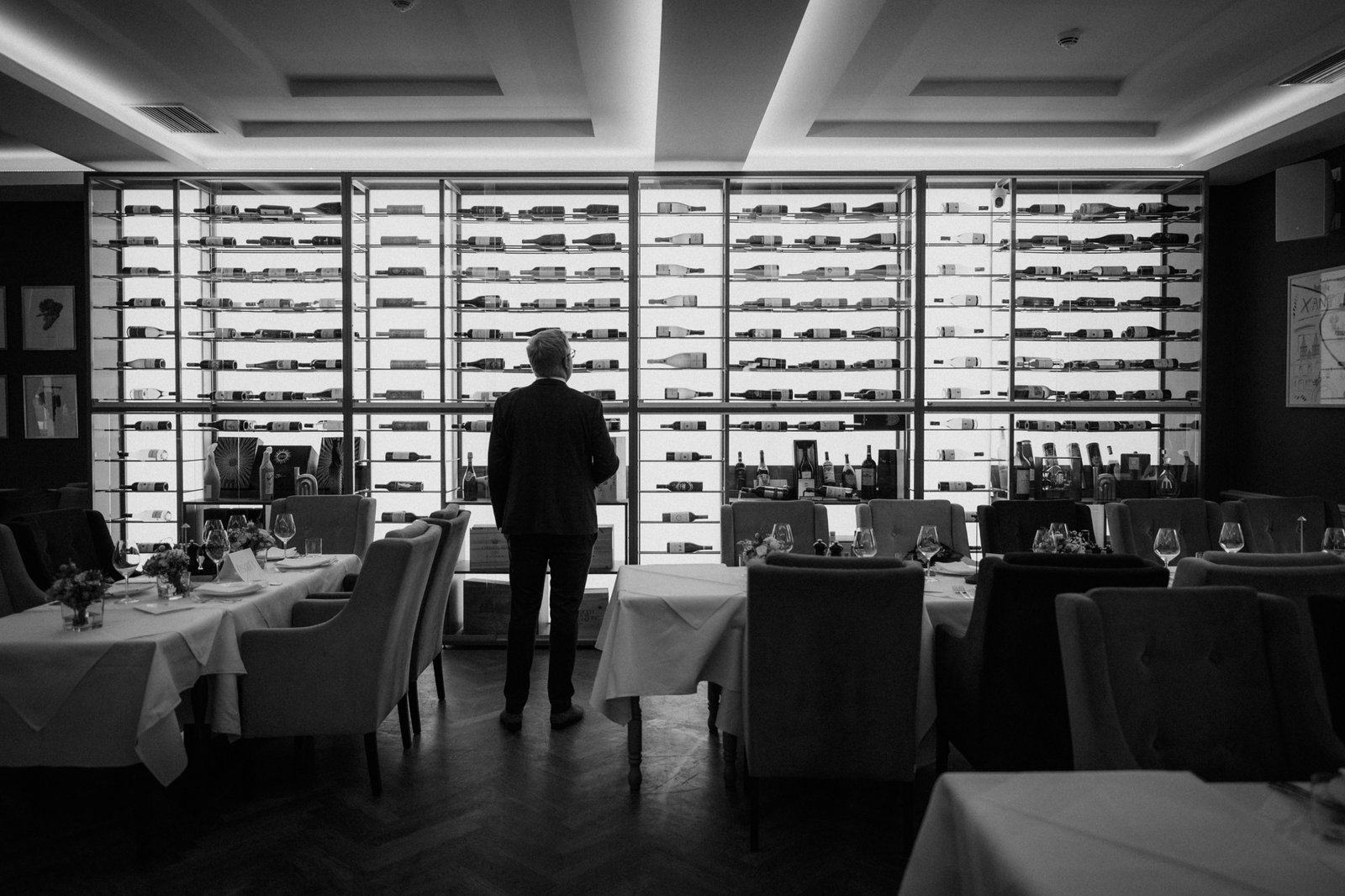
Today, my livelihood depends on holding the camera, but that grueling afternoon remains the most valuable lesson of my career. It taught me to deeply empathize with my clients: “normal” people.
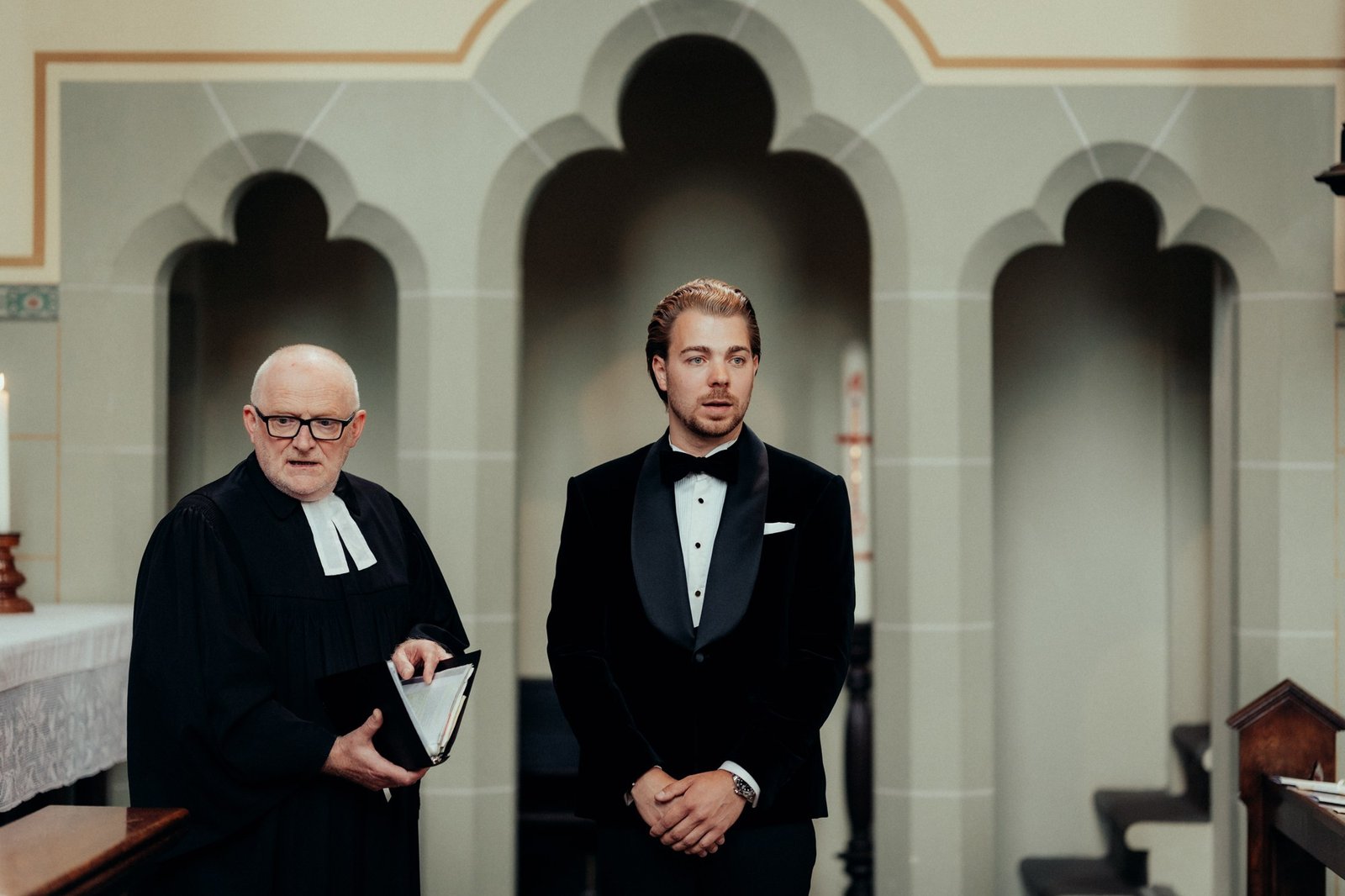
When I step into a business or a wedding venue, I am highly aware that most people that book me do not want to be the center of attention, and they especially do not want a lens pointed at their faces. Whether it is a couple trying to celebrate their wedding day without feeling like they are on a movie set, or a client being interviewed about their experience with a service-based business, the underlying anxiety is identical. They feel vulnerable. They feel judged.
As a commercial creator aiming to make something beautiful, this reality forces a strict, unspoken hierarchy upon my process. To survive in this industry, you quickly realize that you cannot just be a pure creator. You have to wear three distinct hats, and you must put them on in a very specific order.
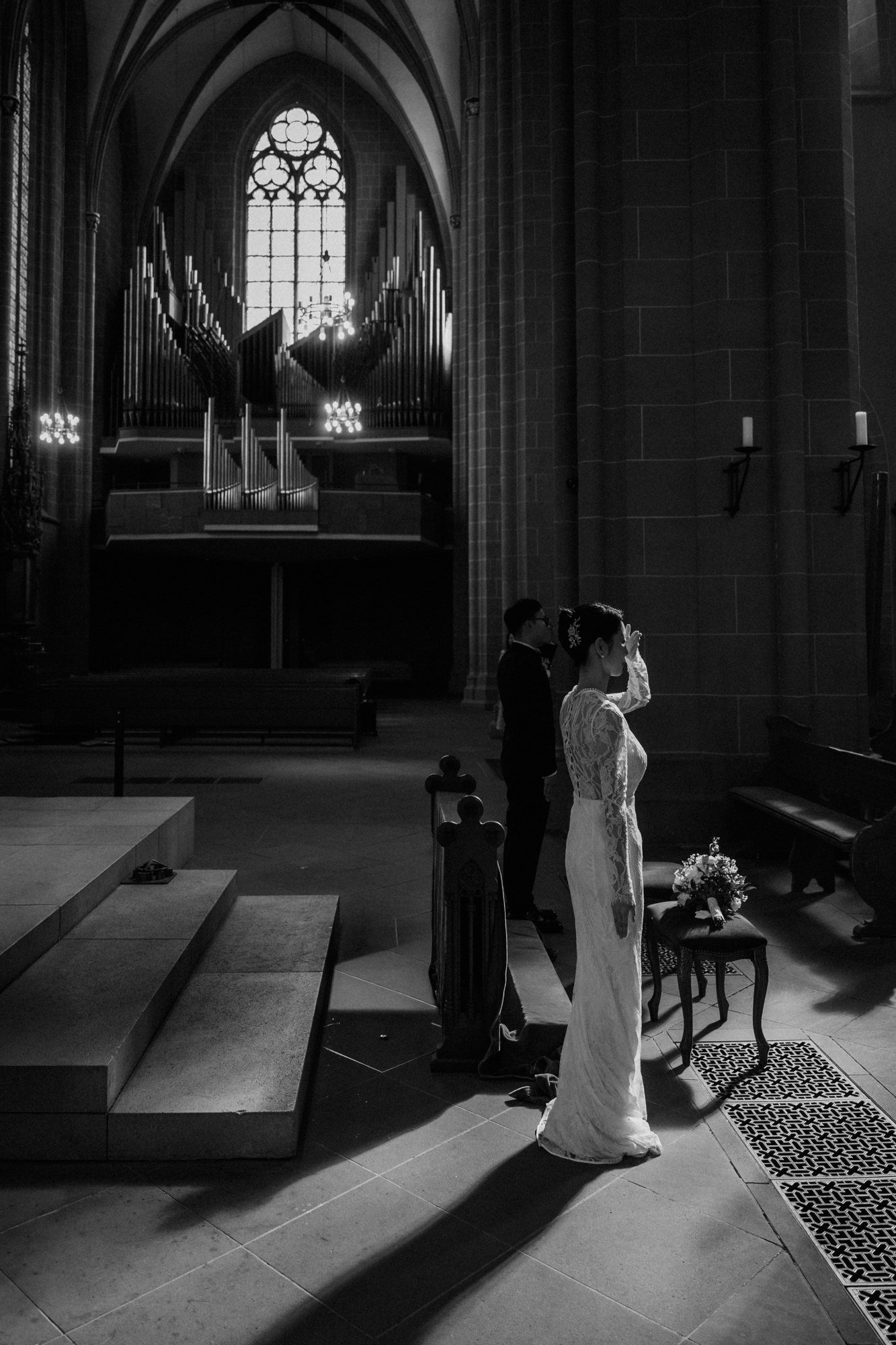
First, I must be a therapist. Before I can adjust a light or frame a shot, I have to regulate the energy in the room. My primary job is to show the nervous system of the person in front of me that they are not in danger. If their guard is up, the image will be dead, no matter how perfect the lighting is. I have to build a safe environment where they can lower their defense mechanisms.
Second, I must be a businessperson. I operate in the real world, where budgets, wedding schedules, and corporate deliverables dictate the clock. My job is to hit targets, which means I cannot wait hours for the perfect spontaneous moment; I have to cultivate it under a deadline.
Only third, after the first two conditions are met, do I get to be an artist.
This hierarchy creates a fascinating creative paradox. I cannot aggressively direct a camera-shy person into a high-art pose without causing them to freeze. Instead, I have to build the artistic vision in the quiet of my own mind. While my outward energy is entirely focused on distracting the client, making them laugh, and maintaining a comfortable, conversational vibe, my inner eye is calculating the composition, the lighting, and the storytelling elements of the frame. Furthermore, the art cannot exist in a vacuum. Before I can even think about the work I want to create, I have to respect and fulfill the practical demands of the client. The art is born within those constraints, not in spite of them.
In an era where digital tools can instantly generate flawless, artificial human faces, the value of photography and filmmaking has fundamentally shifted. Our job as visual storytellers isn’t to capture sterile perfection. True artistic value lies in the raw, authentic breakthrough of a real human being who forgot the camera was there, even just for a split second, because they finally felt safe in the frame.
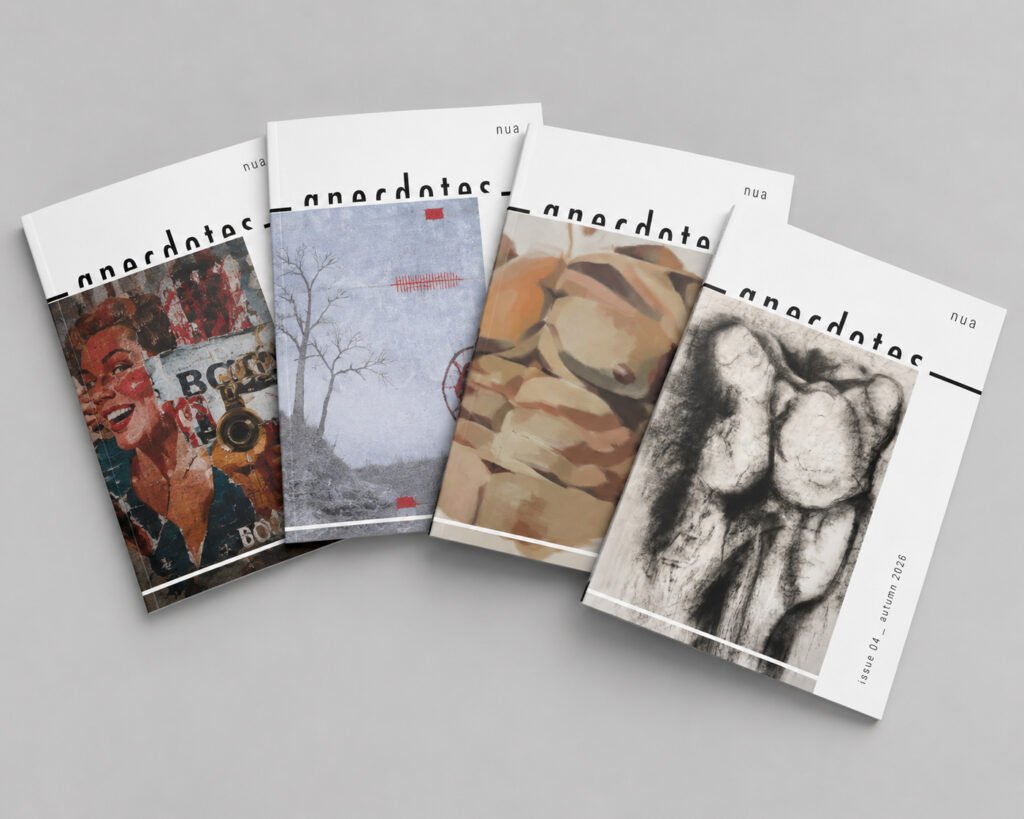
Anecdotes – 4 Issue Bundle
Own the complete Anecdotes collection. This bundle includes Issues 01–04, featuring 246 pages of contemporary art, artist essays and studio reflections in a premium A5 magazine format.


 No products in the cart.