
Lucy Lambe explores redaction, opacity and the unfinished image through performance, film and a publication that resists complete visibility.
By Lucy Lambe | Anecdotes Issue 03
The project began through performance rather than with the intention of making a film. At the time, I had been working through ideas surrounding redaction, visibility and refusal within my sculptural practice, particularly through the use of black obstructive forms that partially conceal the body. I became interested in how these ideas might operate differently through movement, duration and landscape rather than through static installation alone.
This way of working connects strongly to my interest in practice-led research and to Hazel Smith and Roger T. Dean’s idea of an iterative process, where meaning emerges through cycles of making, reflection and adaptation rather than through a fixed linear plan. The work evolved through filming, re-filming, testing framing devices, layering imagery and allowing accidental moments to shape the direction of the piece.
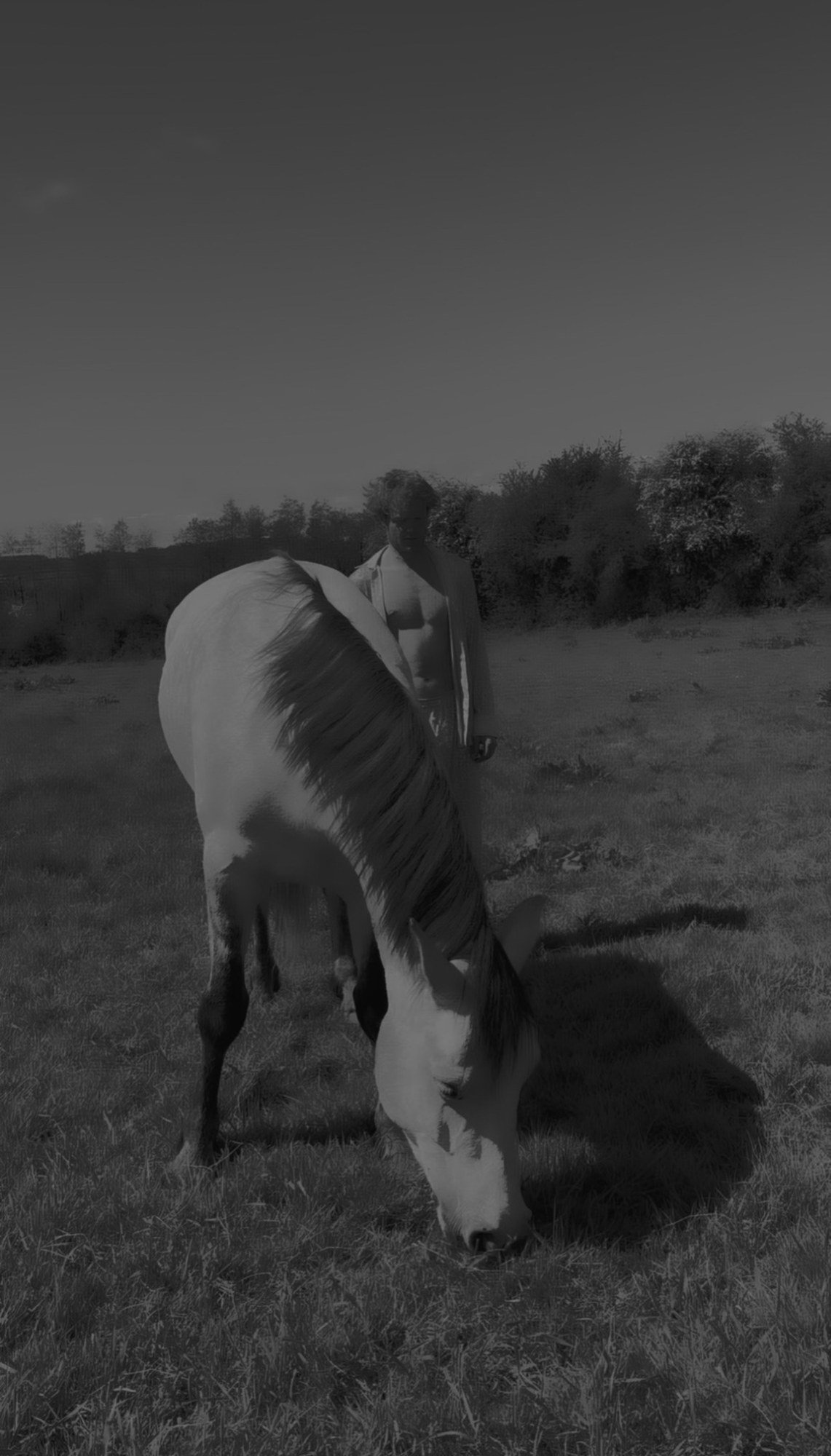
The project is also informed by theorists whose writing continues to shape my wider practice. Édouard Glissant’s writing on opacity became particularly important during the making of the film. His refusal of the demand for total transparency allowed me to think through the politics of withholding and partial visibility. Rather than revealing the body fully, the work deliberately limits access to it.
The fragmented body within the work also connects to ideas from Gilles Deleuze and Rosi Braidotti surrounding instability, becoming and incomplete subjectivities. Donna Haraway’s notion of situated knowledge similarly informed the project, particularly the idea that there is no neutral position from which to fully see or understand. The film itself developed directly out of the performance process. Rather than documenting the live action, the camera became another material within the work. Slow pacing, layered editing and visual interruptions create a shifting perceptual space where the work continually destabilises itself. The voiceover similarly resists explanation, operating more as fragmented thought than narrative script.
“The work controls what can and can’t be seen. And there isn’t a neutral body either.”
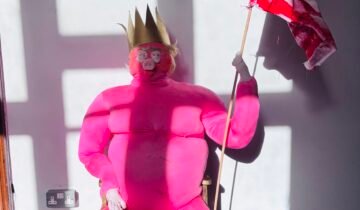
The inclusion of the horse within the landscape shifted the atmosphere of the work further. The horse became less a symbolic object and more another body existing within the same unstable space as the performer. It introduced an unexpected stillness and indifference into the piece, complicating the relationship between the human figure, the landscape and the constructed redaction device.
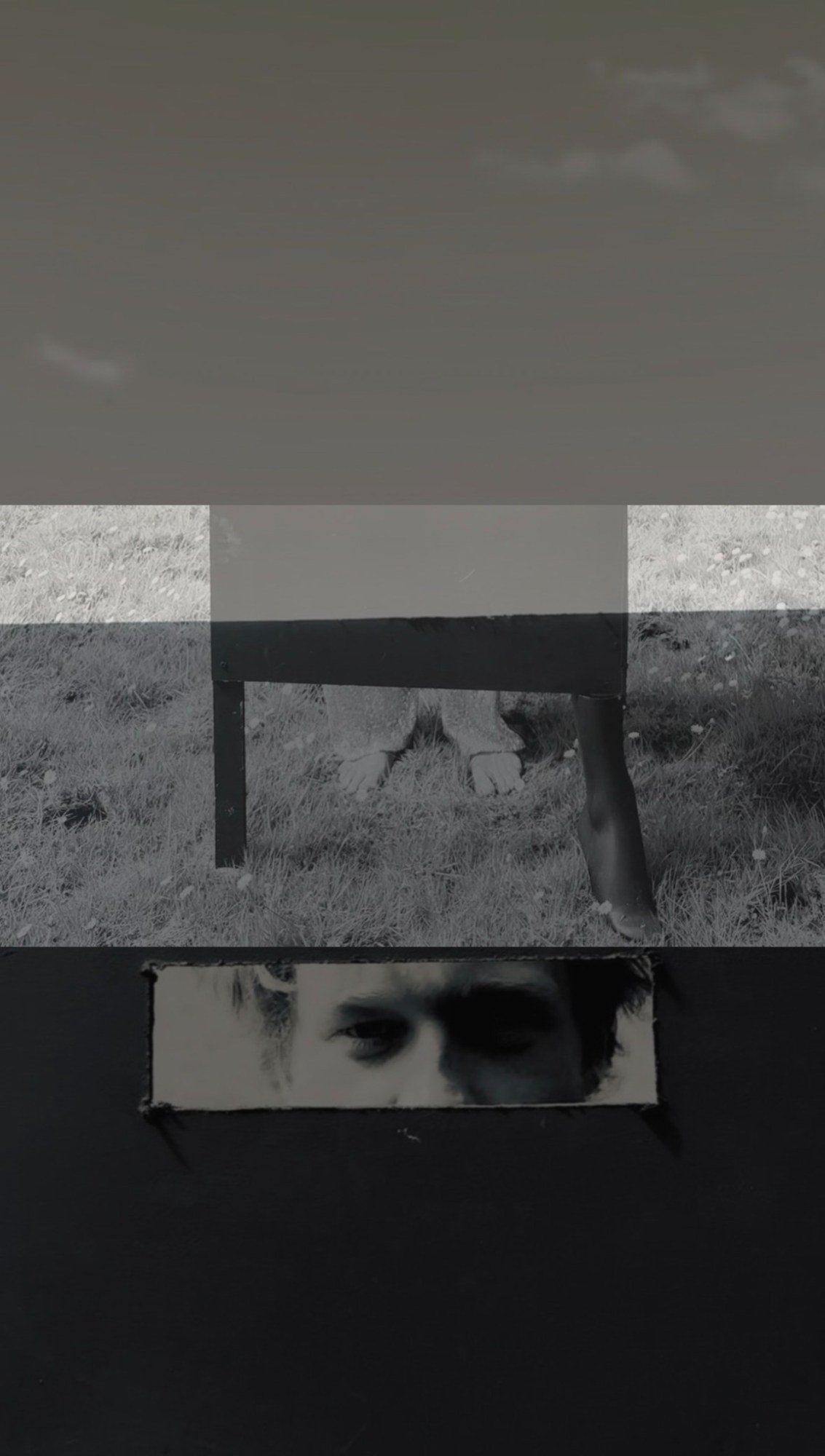
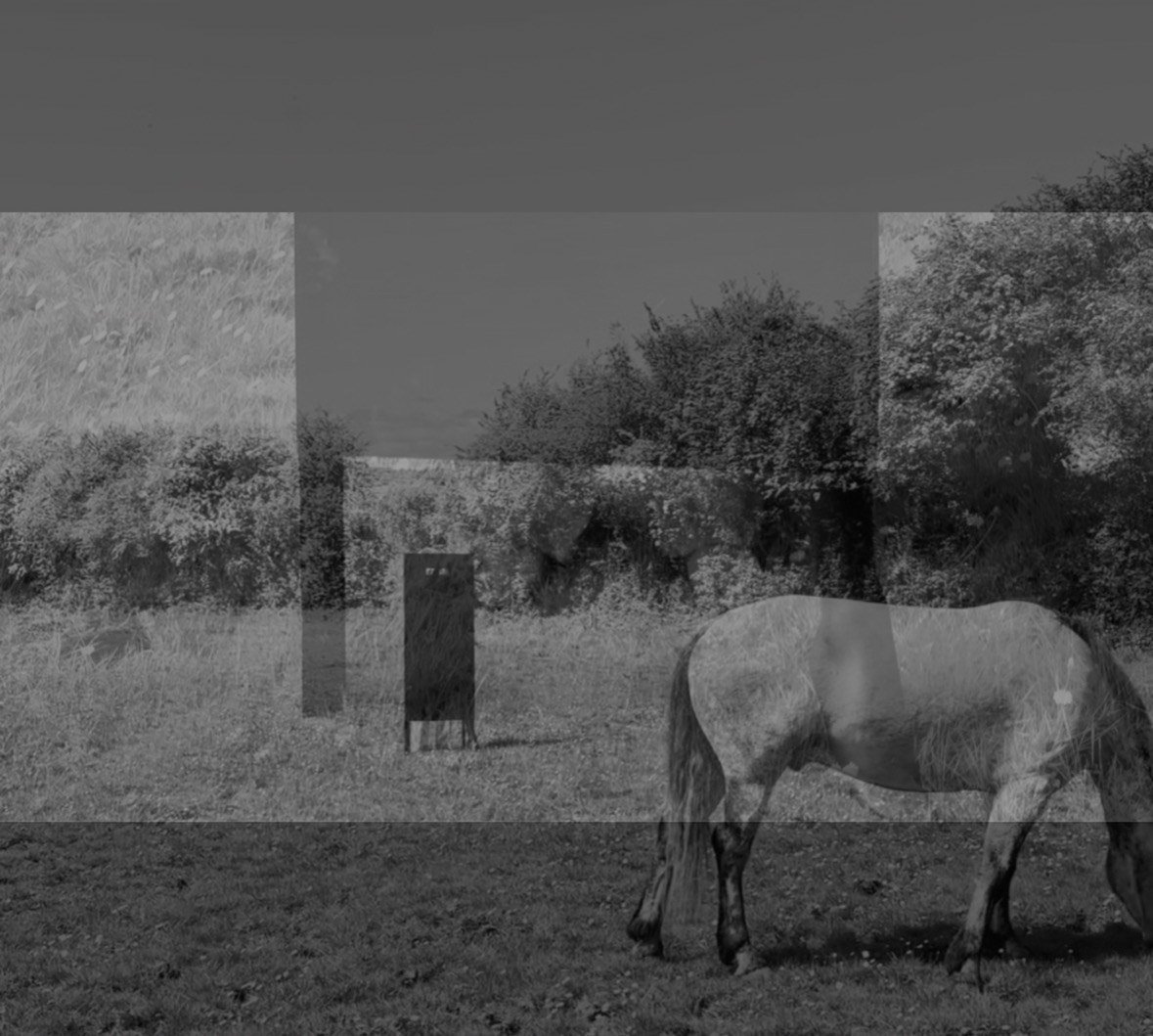
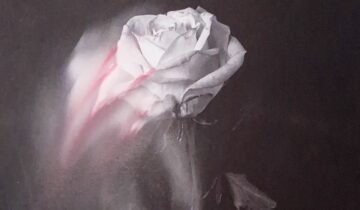
As the film developed, the publication emerged naturally as another stage of the project rather than as simple documentation. Using stills from the moving image alongside the extended voiceover script allowed the work to shift once again into a fragmented printed form. The stills preserve isolated moments from the performance while continuing the same themes of interruption, opacity and partial access.
“If everything is given there’s no resistance.”
Across the performance, film and publication, the work remains deliberately unresolved. Rather than offering clarity or stable meaning, it continues to operate through interruption, fragmentation and refusal. The body remains partially withheld. The image never fully settles. The work resists completion.
Lucy Lambe
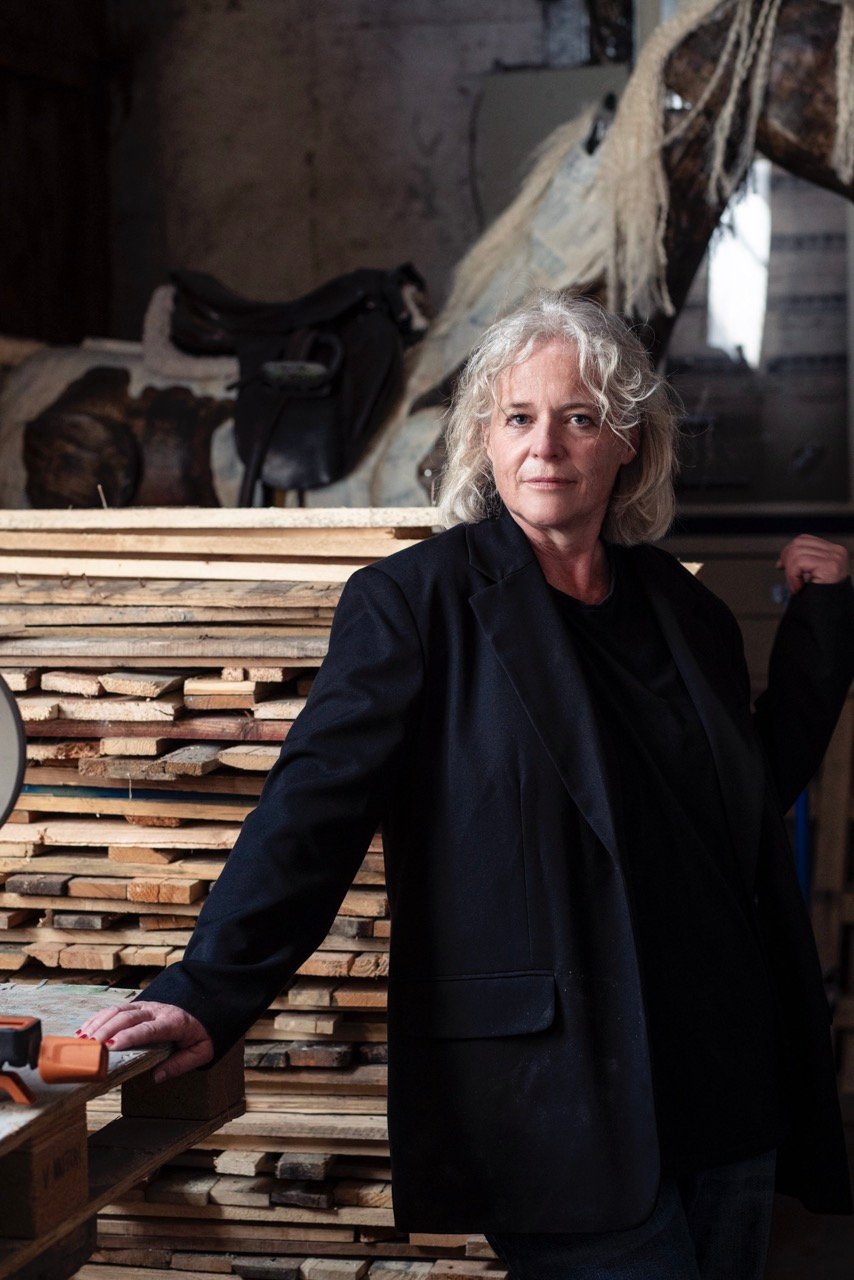
Lucy is a sculpture and combined media artist who’s practice encompasses live art performance, painting, illustration, social practice and installation.
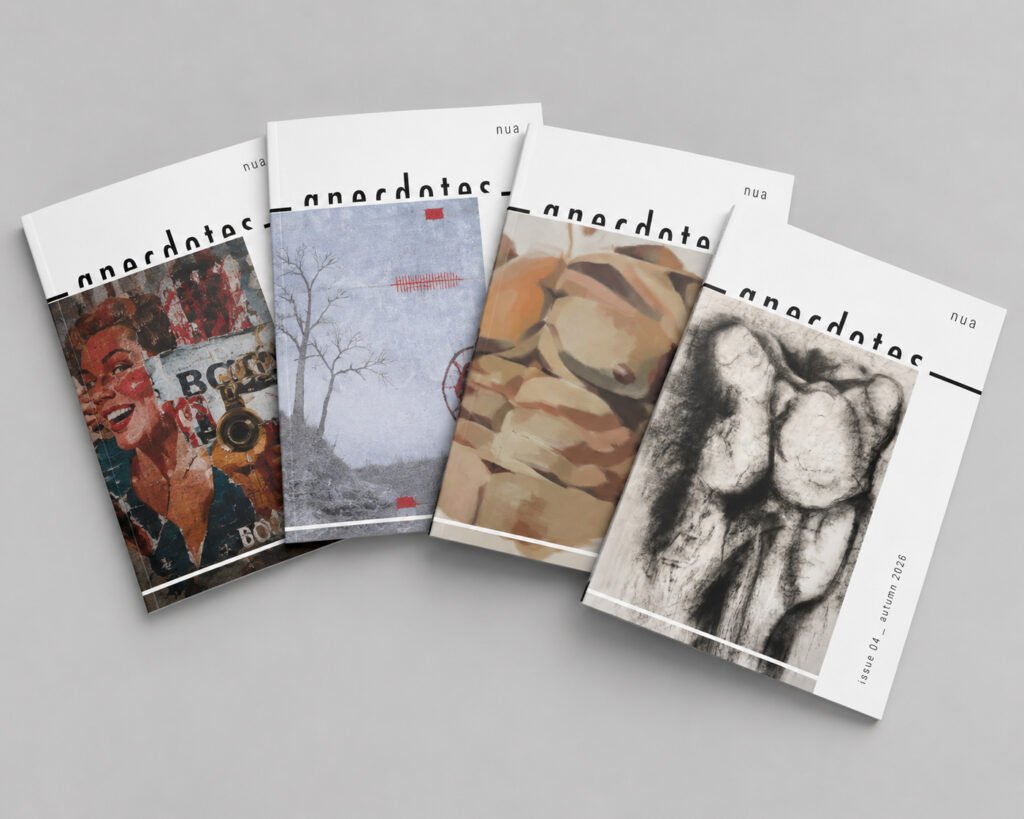
Anecdotes – 4 Issue Bundle
Own the complete Anecdotes collection. This bundle includes Issues 01–04, featuring 246 pages of contemporary art, artist essays and studio reflections in a premium A5 magazine format.

 No products in the cart.